
Hot Tub Manufacturers Can Relax with Electric Heat
As consumer demand for hot tubs and spas continues to grow, manufacturers are under increasing pressure to deliver systems that heat faster, operate more efficiently, and provide a consistently comfortable user experience. Today’s spa buyers expect quick warm-up times, stable water temperatures, and energy-efficient operation — all without added complexity or maintenance.
One often-overlooked challenge in hot tub performance lies in the air system. As ambient air is drawn into the tub and pushed through jets to create bubbles and hydrotherapy effects, it can unintentionally cool the water. This temperature drop may seem minor, but over time it can significantly impact heating efficiency, increase energy consumption, and reduce overall comfort. To solve this issue, hot tub manufacturers are turning to electric heat — a precise, efficient, and easily integrated solution that enhances system performance without introducing the complications of traditional fuel-based heating.

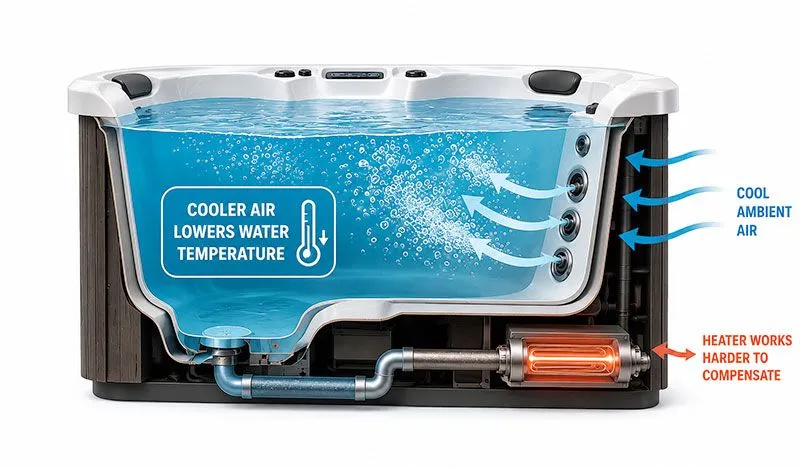
The Hidden Impact of Air Injection on Water Temperature
Hydrotherapy is a defining feature of modern hot tubs. By injecting air into the water through jets, spas create the bubbling, massaging effect that users expect. However, this process introduces cooler ambient air directly into the heated water. The result is a continuous heat loss that forces the primary water heater to work harder to maintain the desired temperature. This can lead to:
- Longer heat-up times
- Increased energy consumption
- Reduced maximum water temperature
- More frequent cycling of primary heating elements
For manufacturers, this creates a design challenge: how to maintain the benefits of air-driven hydrotherapy without compromising thermal performance.
Why Traditional Gas Heating Falls Short
In an effort to counteract this cooling effect, some manufacturers initially explored using propane or gas-fired heaters to warm the incoming air. While these systems could deliver high temperatures, they introduced a new set of challenges. Gas heating systems often produce excessive heat, making it difficult to control air temperature precisely. More importantly, they require additional infrastructure — including gas lines, fuel storage, and ventilation — which increases installation complexity and cost for both manufacturers and end users.
For residential hot tubs, these requirements are impractical. Homeowners are unlikely to install dedicated gas lines or manage propane tanks simply to support spa operation. Additionally, safety concerns related to combustion and fuel handling make gas-based solutions less desirable in residential environments.
Electric Heat: A Precise and Practical Solution
Electric heating provides a far more effective approach to conditioning the air entering a hot tub system. By delivering controlled, consistent heat directly to the airflow, electric heaters can offset temperature loss without overheating or complicating system design.
TUTCO developed a compact, cost-effective open-coil electric heater specifically for this application. Designed to integrate seamlessly into existing air delivery systems, this heater raises the temperature of incoming air just enough to prevent it from cooling the water — maintaining overall system efficiency and performance. Because the heat output is precisely controlled, manufacturers can fine-tune the system to match their exact design requirements, ensuring optimal balance between air injection and thermal stability.
Improved Efficiency and Faster Heat-Up Times
By preheating the air before it enters the water, electric heaters reduce the thermal load on the primary water heating system. This has a direct impact on overall performance:
- Faster initial heat-up times
- More stable water temperatures during operation
- Reduced energy consumption • Improved user comfort
Instead of compensating for continuous heat loss, the system operates more efficiently, maintaining the desired temperature with less effort.
Extending the Life of Primary Heating Systems
Another key benefit of integrating electric air heaters is the reduced strain on the main water heating elements. When incoming air is conditioned properly, the primary heater does not need to cycle as frequently to maintain temperature. This reduction in cycling leads to:
- Less wear and tear on heating components
- Longer service life for primary heaters
- Reduced maintenance and replacement costs
For manufacturers and end users alike, this translates into a more durable and reliable hot tub system.
Seamless Integration into Existing Designs
One of the strengths of TUTCO’s solution is its ability to integrate into existing hot tub designs with minimal disruption. The compact open-coil heater can be installed directly within the air delivery pathway, requiring little to no modification of the overall system architecture.
This allows manufacturers to enhance performance without redesigning their entire product line — reducing development time and accelerating time to market. Additionally, electric heaters can be easily incorporated into control systems, enabling coordinated operation with pumps, jets, and primary heating elements for optimized performance.
Enhanced Safety for Residential Applications
Safety is a critical consideration in any residential product. Electric heating eliminates the need for open flame, fuel storage, and combustion gases, making it inherently safer than gas-based alternatives.
With no propane tanks or gas lines required, installation becomes simpler and more accessible for homeowners. Electric systems also reduce the risk of leaks, fire hazards, and ventilation issues — creating a safer and more user-friendly product.
Supporting Energy Efficiency and Sustainability
As energy efficiency becomes a greater priority for both manufacturers and consumers, electric heating solutions offer a clear advantage. By reducing heat loss and improving system efficiency, electric air heaters help lower overall energy consumption. In regions where electricity is generated from renewable sources, this approach also supports broader sustainability goals — reducing the environmental impact of hot tub operation without sacrificing performance.
Why TUTCO Farnam for Hot Tub Applications?
TUTCO Farnam brings decades of experience in designing electric heating solutions for a wide range of industries — from industrial process heating to consumer products. This expertise allows us to develop custom solutions that address specific performance challenges while maintaining simplicity and reliability. For hot tub manufacturers, this means:
- Custom-engineered heaters tailored to airflow and temperature requirements
- Compact designs for easy integration
- Precise control for optimized performance
- Proven reliability in continuous-use environments
By working closely with manufacturers, TUTCO ensures that each solution meets both technical and commercial objectives.
A Smarter Way to Maintain Hot Tub Performance
As hot tubs continue to evolve, maintaining consistent water temperature while delivering effective hydrotherapy remains a key challenge. Electric heat provides a simple, efficient, and reliable solution for conditioning incoming air — improving performance without adding complexity.
TUTCO’s custom open-coil electric heaters enable manufacturers to enhance system efficiency, extend component life, and deliver a better overall user experience. By eliminating the need for gas-based solutions and providing precise thermal control, electric heat helps ensure that hot tubs perform at their best — every time they’re used. For manufacturers looking to improve performance, reduce costs, and simplify design, electric heat offers a clear path forward.
 Electrification Cures Safety Woes of Webbing Manufacturer
 Farnam delivered a customized electric heater system that replaced a hazardous process with a safer and efficient custom solution.
Get info RV Comfort Takes to the Open Road with Electrification
 Farnam designed a custom compact electric heater for RV Comfort Systems to make heating cleaner and efficient—solutions for any project.
Get info The Power of Electrification in String Coating Process
 Farnam electrified the string coating process for a cleaner, safer, and more efficient system that paid for itself in just four weeks.
Get info Coffee Roasters Savor the Benefits of Electrification
 Using our Flow Torch™ heaters, which are highly efficient and ideal for heating large airflows, we were able to electrify this large coffee roasting process.
Get info Hot Tub Manufacturers Can Relax with Electric Heat With a custom open-coil heater, Tutco Farnam helped hot tubs manufacturers maintain temperature and reduce wear on primary heaters.
Get info The Benefits of Electric Heat in Simulation Test Chambers
 TUTCO Farnam customized a Heat Torch™ to replace gas heaters in simulation /test chambers, delivering safe, efficient electric heat.
Get info Electricity Delivers Value for Pizza Ovens
 TUTCO Farnam designs duct and Flow Torch™ heaters to deliver high-temp air quickly for efficient, safe, and precise electric pizza ovens.
Get info Pellet Stoves can Benefit from Electric Heat
 TUTCO SureHeat has developed customized electric ignitors to meet the unique needs of this application using our patented Serpentine technology.
Get info Electrification is a Sweet Solution for Chocolate Industry
 Chocolate tempering stations using TUTCO heating solutions are more efficient and can now be found all across the country.
Get info Anti-Idling Laws Drive Tractor Trailers to Electric Heat
 TUTCO has the capabilities to design and manufacture custom open coil heating solutions to meet the trucking industry’s demands.
Get info Wood Stove Industry Warms Up to Electric Heat
 TUTCO has worked with several customers to incorporate an ultra-efficient open coil electric heater add-on to their stoves.
Get info The Electrification of Environmental Test Chambers
 For companies transitioning from gas to electric heat in their environmental test chambers, TUTCO is here to provide comprehensive assistance and support.
Get info The Market for Electric Heat Solutions is Red Hot
 Tutco heaters are used in manufacturing processes, where molten metal is poured into molds to fabricate various products.
Get info Electric Heaters Used in Thermal Oxidizers
 TUTCO Farnam provides advanced electric heating solutions for thermal oxidizers used in industrial air pollution control. Designed to destroy volatile organic compounds (VOCs) and hazardous air pollutants (HAPs), thermal oxidizers rely on precise temperature, residence time, and turbulence to achieve high destruction efficiency.
Get info TUTCO Heaters for Environmental Cleanup Applications
 TUTCO Farnam heating solutions have become indispensable tools for environmental companies addressing challenges posed by pollutants in diverse mediums.
Get info Heaters for Energy Storage Applications
 TUTCO Farnam heating solutions have become indispensable tools for companies addressing energy storage through a range of emerging technologies.
Get info EV Market Plugs Into TUTCO Heating Solutions
 TUTCO Heating Solutions Group is a pivotal contributor, offering advanced electric heat solutions across a broad range of applications.
Get info