
As professionals in the electric heating solutions industry, we assist our customers with planning and implementation of thermal dissipation and optimized airflow for hyperscale data center development, we also ensure to collaborate with our clients with planning and implementation for year-round environmental control across complex, high-resiliency infrastructures. Our focus is in electric heating solutions critical to achieving operational stability, reliable uptime, and compliance with ASHRAE (American Society of Heating, Refrigerating, and Air-Conditioning Engineers) and ANSI (American National Standards Institute) guidelines. From CRAC (Computer Room Air Conditioning) unit electric reheat coils to plenum and trench heating, heaters are integral components of environmental control strategies in Tier III and Tier IV data centers. Below, we examine their specific applications, engineering justifications, and best practices for implementation.
Electric Heat Engineering Support
Engineering and Support is a big part of what we do. Offered on an application by application basis. With our extensive heat application experience, chances are we have done something similar to your application. We can even assist you with your process design. While we generally will not design your process for you we are happy to assist.
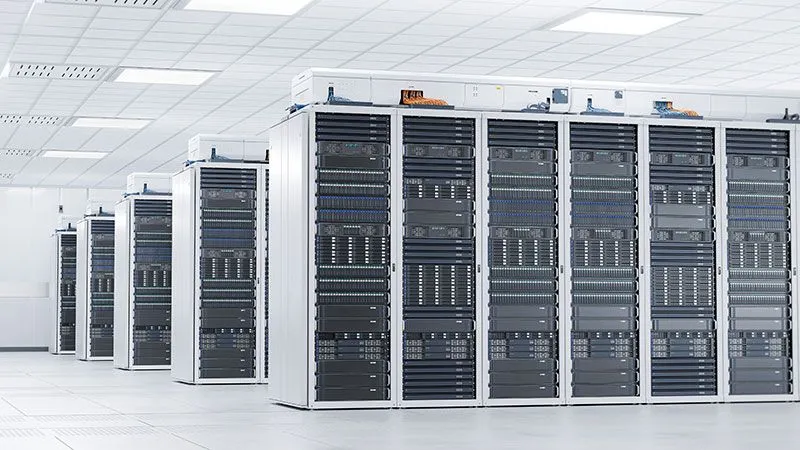
Core Electric Heating Applications in Hyperscale Data Centers
Every electric heater in a mission-critical environment serves a defined role, engineered to address specific thermal risks, compliance requirements, or operational scenarios:
Underfloor Plenum Heating:
Targeted plenum heaters address stratification risks and cold air pooling, particularly in raised-floor designs where underfloor temperatures fall below spec due to outside air mixing.
Cabinet and Rack-Level Heaters:
These localized units are essential for unpopulated racks, low-density zones, or inactive cabinets where airflow stagnation risks condensation and thermal gradient failures.
Cold Aisle Containment Heaters:
Integrated containment-zone heaters protect inactive nodes from subcooling during low IT load conditions—an issue during overnight or maintenance periods.
Battery Room Temperature Regulation:
Critical for VRLA or lithium-ion systems, precise electric heating ensures batteries remain in their narrow thermal envelope (typically 20–25°C), extending lifespan and performance under float or discharge conditions.
Emergency Backup Room Heating:
In diesel genset or UPS switch rooms, ambient heaters ensure control logic boards and fuel system components do not suffer thermal drift during system inactivity.
Personnel Comfort Zones:
While often overlooked, code compliance and operational readiness require supplemental heating in NOC rooms, staging areas, and remote monitoring stations for technician safety.
Dehumidification Reheat:
Electric heaters paired with desiccant or mechanical dehumidifiers prevent sub-dew point air discharge, crucial for preventing corrosion on PCB surfaces in cold, dry air streams. Read more on climate control solutions.
Preheating for Outside Air Intake:
Particularly in facilities leveraging air-side economization, inline or duct-mounted preheaters ensure that incoming air never drops below operational thresholds—even during winter surge conditions.
HVAC Duct Heaters:
Installed within supply or return ductwork, these heaters support overall load balancing and redundancy during BMS-driven mode changes or in partial cooling failures.
Snow & Ice Melt Systems:
Roof-mounted HVAC or exterior intake/exhaust locations require radiant or resistive snow-melt elements to maintain clearances and operational access, especially for generator vents and economizer hoods.
Heat Tracing for Pipes and Drains
Electric heat trace cables prevent freezing in fire suppression piping, condensate drains, and chilled water supply lines—an NEC 426-compliant measure in cold zones.
Redundant Heating in N+1 HVAC Design:
Just as cooling demands redundancy, so too must heating components. Heaters form part of an N+1 architecture to ensure environmental control even during HVAC maintenance or partial failure.
Raised Floor Edge/Wall Panel Heating:
Supplemental edge-zone heating ensures thermal uniformity in rooms with complex topologies or irregular airflow caused by floor cutouts or equipment density gradients.
Isolation/Dedicated Room Heat (e.g., Telecom Closets):
Small telecom rooms, fiber demarcation zones, and MDF/IDF closets often require standalone electric heat for stability, especially if air systems are zoned elsewhere.
Utility Tunnel and Cable Trench Heating:
Heaters in subfloor conduits or cable vaults prevent condensation or frost accumulation, critical for both structural integrity and electrical performance in fiber and power runs.
Storage and Staging Room Heating:
Material integrity—especially for spare parts, batteries, or sensitive electronics—is preserved by maintaining stable ambient conditions in low-traffic support rooms.
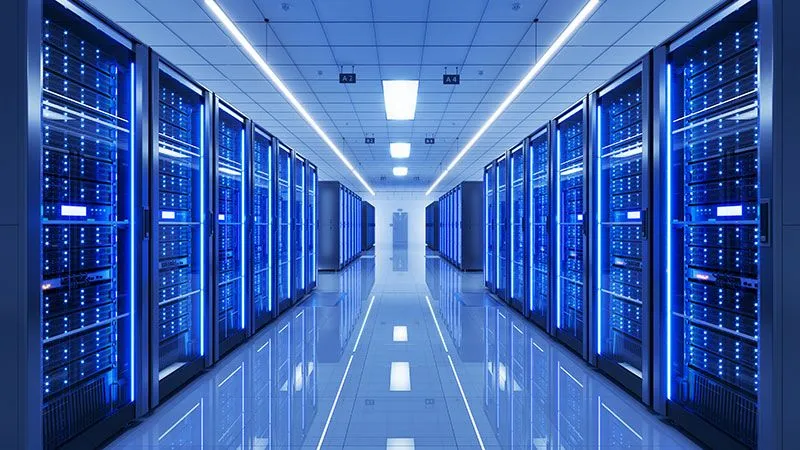
Types of Electric Heating Systems for Data Centers
Electric heating in hyperscale environments is not one-size-fits-all. Each system is selected for its precision, scalability, and compatibility with the facility’s thermal strategy:
Circulation Heaters
Engineered to heat fluids (water, glycol, dielectric oils), circulation heaters support pre-warming closed-loop thermal systems, including those used in liquid cooling or facility HVAC hydronic loops. Their integrated thermostatic control and compact footprints make them ideal for UPS rooms, cold-loop prep circuits, and redundant climate-control loops.
In-Line Heaters
Installed directly into the flow path, these heaters condition fluid in real time with minimal lag. Data centers using direct-to-chip or cold plate liquid cooling often deploy in-line units to maintain tight thermal tolerances during low-load operation or ramp-up sequences.
Skid-Mounted Heating Systems
For large-scale deployments, packaged skid systems integrate heaters, pumps, valves, and PLC-based control panels. These modular systems are engineered for plug-and-play installation, integrating seamlessly with a site’s BMS or SCADA platform. Skids are common in centralized battery thermal management and economizer support systems.
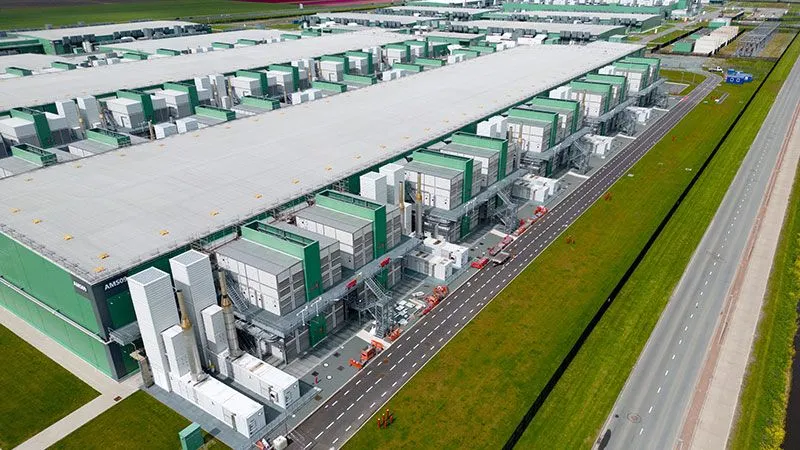
Best Practices in Heating System Integration
Strategic Placement
Target heaters where dew point risk is highest—near north-facing walls, under raised floors, around battery strings, and within cold aisle zones. Avoid over-concentration that can lead to thermally induced air stratification.
HVAC + BMS Synchronization
Heating elements should never operate in isolation. All electric heat components must be mapped to the BMS for coordinated climate control, alarm conditions, and trend logging. Improper integration leads to heating/cooling conflict cycles that reduce PUE and increase failure risk.
Compliance & Redundancy
Systems must conform to UL, NFPA, and ASHRAE standards. NEC Article 424 applies to electric heating equipment, and redundancy (N+1 or better) should be enforced in high-reliability environments.
Predictive Maintenance
Leverage smart sensors and automated diagnostics to flag fouling, element degradation, or control logic anomalies. Preventive inspections should be scheduled alongside HVAC PM cycles for streamlined facility workflows.
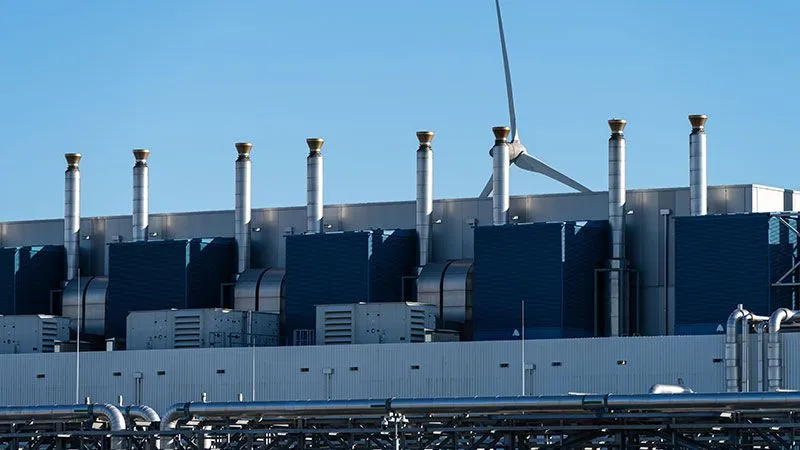
Energy Efficiency and ESG Alignment
Electrification of heating systems—especially when powered by renewable grid sources—enhances the ESG profile of the facility. Choose low-inrush, high-efficiency elements with accurate proportional control to avoid overheat conditions. Smart load-shedding and energy-aware BMS integration allow for peak shaving and demand response participation.
Let’s Talk About your Upcoming Data Center or Hyper Data Center Needs
Electric heating is no longer an afterthought in hyperscale data center architecture—it is a strategic element of thermal risk management. Whether deployed for condensation control, sub-zero resilience, or cabinet-level microclimate correction, engineered electric heat systems must be specified with the same rigor as any mission-critical infrastructure. When integrated intelligently, they improve uptime, extend equipment life, and align with both compliance mandates and environmental objectives. Explore the full potential of engineered electric heat. Whether you are planning a greenfield facility or retrofitting an aging data hall, our precision heating solutions ensure operational excellence from day one. Contact us to configure your ideal system.
 Electric Heaters Used in Thermal Oxidizers
 Understanding Load Banks and Resistors for Power Testing
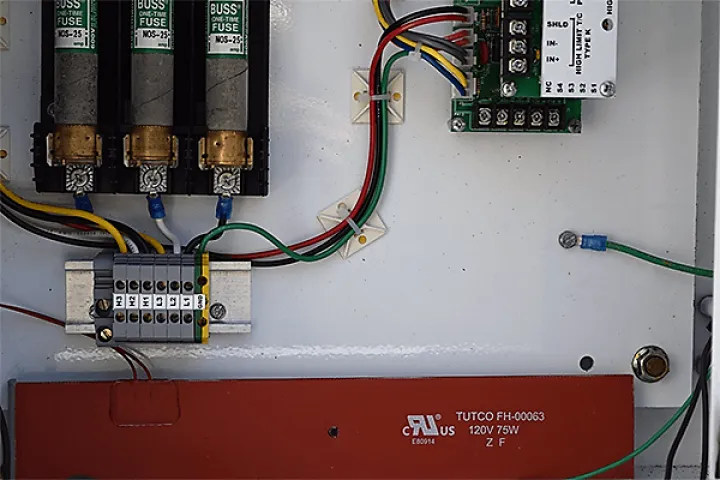 Enclosures and Enclosure Heaters
 Inline Industrial Duct Heaters