
Where Control Panels Make a Difference:
Applications Across Our Markets
A heater only performs as well as the system controlling it. An element can be built to tight specifications, but without the right controls, it can overshoot, cycle improperly, or fail prematurely. Our customers range from power generation and aerospace to food processing, research labs, and medical devices. In every one of those markets, the control panel is what turns raw heat into accurate, safe, and repeatable performance.
When a heater and its control panel are designed together, customers get a single point of responsibility, a simpler installation, and a system that performs as specified from the day it's commissioned. Here are the places where a well-built control panel adds the most value.

Power Generation and Data Centers
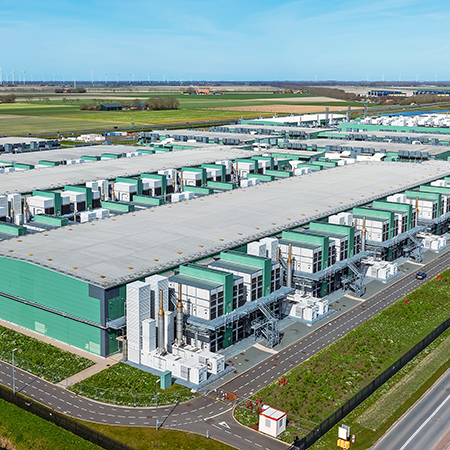 Gensets, emissions after treatment systems, and backup power for data centers have one requirement above all others: they must start and run when called upon. A data center can't wait for a cold engine or a frozen diesel exhaust fluid (DEF) line. Control panels in these systems manage engine preheaters, DEF tank and line heaters, catalyst warm-up, and enclosure heating. They keep critical components in their operating range through cold nights and harsh seasons.
The panel's value here goes beyond turning heaters on and off. Current monitoring catches a failed element before it causes a missed startup. Alarm contacts and communication outputs report status to the building management system or the generator controller. Thermostatic and timed logic cuts unnecessary energy use during standby. Generator enclosures and after treatment assemblies are often installed outdoors or in remote locations, so panels are typically built in NEMA 4 or NEMA 4X enclosures to handle rain, dust, and temperature swings. In this market, the panel's monitoring and alarm features are often as important to the customer as the heater.
Industrial Process Heating
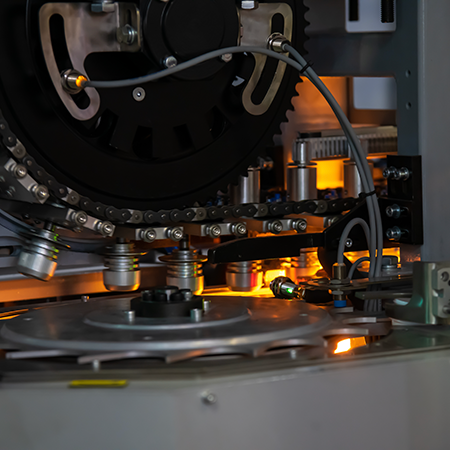 Gensets, emissions after treatment systems, and backup power for data centers have one requirement above all others: they must start and run when called upon. A data center can't wait for a cold engine or a frozen diesel exhaust fluid (DEF) line. Control panels in these systems manage engine preheaters, DEF tank and line heaters, catalyst warm-up, and enclosure heating. They keep critical components in their operating range through cold nights and harsh seasons.
The panel's value here goes beyond turning heaters on and off. Current monitoring catches a failed element before it causes a missed startup. Alarm contacts and communication outputs report status to the building management system or the generator controller. Thermostatic and timed logic cuts unnecessary energy use during standby. Generator enclosures and after treatment assemblies are often installed outdoors or in remote locations, so panels are typically built in NEMA 4 or NEMA 4X enclosures to handle rain, dust, and temperature swings. In this market, the panel's monitoring and alarm features are often as important to the customer as the heater.
Aerospace, Defense and Space
 Launch vehicle development, thermal test rigs, radar and electronics cooling, and aircraft component maintenance all depend on precise, documented thermal profiles. Engineers in these programs need to control both the setpoint and the path to it: ramp rates, soak times, and cool-down curves that match a qualification procedure exactly.
Control panels for this market often include programmable ramp/soak controllers, multizone control, data logging, and redundant over-temperature protection. Test results may need to be traced and documented for audits, so recording capability is frequently a requirement, not an option. Defense and space programs also tend to need custom-configured, rugged panels built to specific wiring standards, enclosure ratings, or vibration conditions. A partner who can engineer the heater and the controls together removes a significant integration burden from the customer's team.
Research Labs, Universities and Testing
 National laboratories, university research groups, and product-certification bodies have a different challenge: their requirements change from project to project. A setup that heats a materials sample this month may support a fuel cell experiment next month.
Flexible control panels with multiple independent zones, easily adjustable setpoints, and data output let researchers reconfigure systems quickly and run repeatable experiments. Accuracy and repeatability are essential to producing reliable, defensible test results. Safety features such as over-temperature cutoffs, emergency stops, and clear status indicators protect students, technicians, and expensive equipment in shared lab spaces. For testing and certification organizations, accurate, consistent control directly supports the credibility of their results.
HVAC and Building Systems
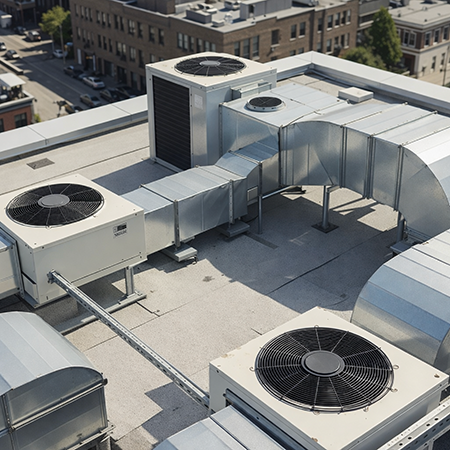 In residential and commercial HVAC, electric heat is often supplied in stages, and the control panel decides how those stages are applied. Panels incorporate staged or SCR-based heat control, airflow-proving switches, door interlocks, and automatic- and manual-reset thermal cutouts.
These controls help equipment manufacturers and mechanical contractors meet electrical and safety code requirements while keeping systems efficient. Modulating control matches heat output to actual demand, which improves comfort and lowers operating costs compared with simple on/off staging. For OEMs building air handlers, makeup air units, and duct heaters, a pre-engineered, pre-wired control package shortens assembly time and reduces field wiring errors.
Food, Beverage and Packaging
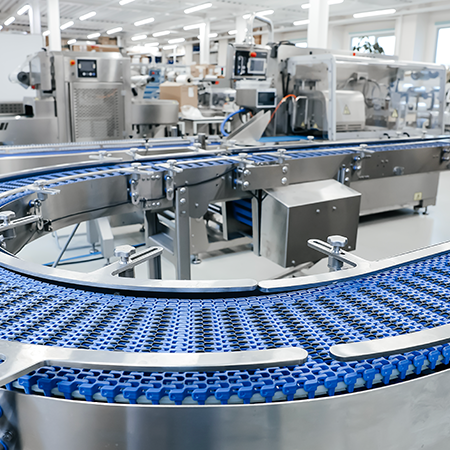 Food processing, ingredient manufacturing, sweetener production, and film or sheet extrusion all rely on steady temperatures. In food, small temperature variations can mean scorched product, incomplete processing, or failed safety checks. In extrusion and packaging, they show up as uneven thickness, poor seals, or wasted material.
Control panels for this sector maintain uniform temperatures across multiple zones and respond quickly to load changes when product starts or stops flowing. Where equipment is washed down regularly, panels can use stainless steel, washdown-rated enclosures, and sealed components. Alarm functions and recorded temperature data also support food safety programs and quality audits.
Medical, Pharmaceutical and Life Sciences
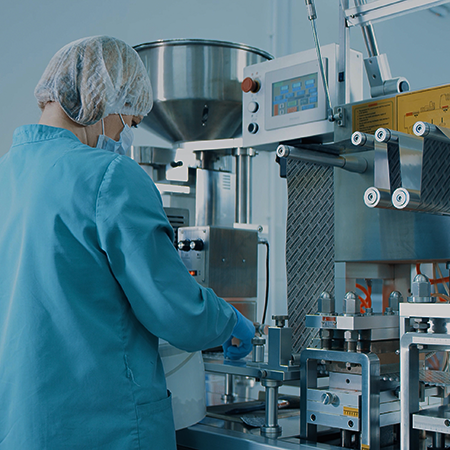 Medical device coating, pharmaceutical processing, anesthetic-gas recovery, and laboratory instrumentation all operate in regulated environments. Temperature tolerances are tight, and customers need proof that the process stayed within limits.
Panels for these applications often use high-accuracy RTDs, calibrated controllers, alarm and audit-trail functions, and complete documentation to support equipment validation. Clean, compact designs fit into lab and cleanroom spaces. When a heater is part of a medical or pharmaceutical process, the control system is often what the customer's quality team looks at most closely.
Energy Transition and Clean Technology
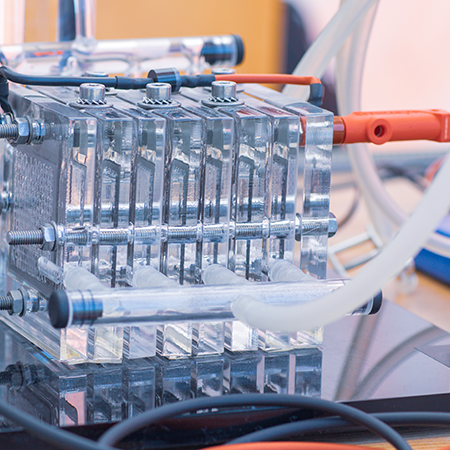 Fuel cells, hydrogen systems, carbon capture, concentrated solar heat, biomaterials, and advanced nuclear fuel development all involve demanding and often new thermal processes. Many of these companies are scaling up from prototype to pilot to production, and their heating requirements change at each stage.
Control panels here support precise heating during startup, operation, and shutdown, often with custom control logic tailored to equipment still in development. Flexibility counts: a panel designed with spare capacity, configurable inputs, and communication options can grow with the customer's program. Working with these customers early can lead to long-term production opportunities as their technologies mature.
Metals, Foundry and Heavy Industry
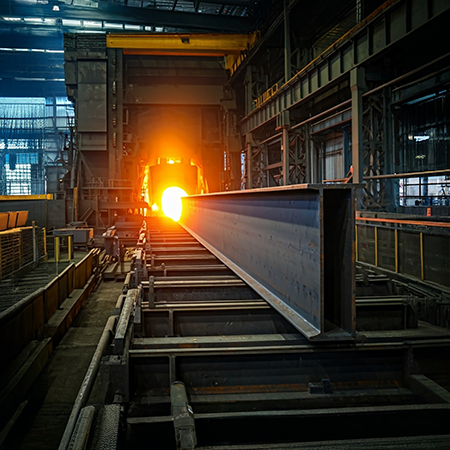 Steel, refractory, casting, coal, and metal-processing operations are some of the harshest environments for electrical equipment. Heat is used for ladle and mold preheating, die heating, tooling, and freeze protection of critical lines.
Control panels in these plants need heavy-duty enclosures, high-current power handling, good ventilation or cooling, and protection from dust, vibration, and high ambient temperatures. Simple, rugged operator interfaces and clear fault indicators help maintenance crews diagnose problems quickly and keep production running
Distribution and MRO Channels
 Industrial distributors and MRO suppliers serve thousands of maintenance teams that need replacement heaters and controls quickly. Standardized, pre-engineered control panels give distribution partners a product they can quote and stock easily, and a dependable system for their end customers. This channel extends our reach into plants and facilities we might never contact directly.
The Bottom Line
Wherever a custom heater is installed, there's a strong case for a matched control panel. Customers get one point of responsibility, faster commissioning, better temperature accuracy, longer heater life, and safer operation. For our sales team, every heater opportunity becomes a chance to deliver a complete thermal solution and build a deeper, longer-lasting relationship with the account.
From the largest power generation customers to small research labs, the conversation is the same. The heater is the starting point, and the control panel is what makes the system perform.
