
Choosing the Right Control Panels for Your Application
 When I talk with customers about industrial control panels, the conversation usually starts one of two ways. Either there’s some hesitation—controls feel complicated, maybe even a little intimidating—or there’s the opposite reaction: “It’s just a panel, we’ll handle it ourselves.” The truth is, both perspectives can create challenges.
In today’s manufacturing environment, most teams don’t have extra time to spare. Everyone is balancing production demands, staffing constraints, and tight timelines. So the real question isn’t just whether you can build a control panel—it’s how quickly you can get a system in place that works reliably and does exactly what you need it to do. That’s why I like to simplify the process from the beginning by focusing on three core questions: Where is the panel going to live? What do you want it to control? And what does it need to communicate with? If we can clearly define those three things, everything else tends to fall into place.
The first question—where the panel will live—is often the most underestimated. I’ll ask if it’s going indoors or outdoors, and a lot of times the answer is simply “indoors,” as if that settles it. But indoor environments can vary just as much as outdoor ones. I’ve seen facilities where temperatures drop into the 30s in winter and climb past 100 degrees in the summer—all inside the same building. Add in humidity, dust, washdowns, or even the possibility of sprinkler systems, and suddenly the environment becomes a major design factor. These conditions directly influence how we build the panel, from the enclosure to the internal components. In some cases, that means adding cooling fans or heaters; in more extreme environments, it may require a fully integrated air conditioning system. The goal is to ensure that everything inside the panel operates within its intended temperature range, because consistent fluctuations can quietly shorten the life of the system over time.
Once we understand the environment, the next step is defining what the panel needs to control. Many customers come in thinking strictly about heaters—and while that’s certainly part of it, it’s rarely the whole picture. Control panels today are responsible for much more than a single function. We’re often coordinating heaters, blowers, conveyors, and safety systems, sometimes all within the same process. With modern PLCs, the level of control and automation is incredibly flexible. If a conveyor slows down, the system can be programmed to adjust heat output, trigger an alert, or even modify other parts of the process in response. It really comes down to how intelligent you want the system to be. The technology is there—it’s just a matter of defining the behavior upfront so the panel can do its job seamlessly.
That leads naturally into the third question: what the panel needs to communicate with. In most applications, a control panel isn’t operating on its own—it’s part of a larger system. That means it needs to interface with sensors, switches, safety devices, and often other machines. Flow switches are a common example, ensuring that airflow is present before heat is applied and maintained after shutdown to protect equipment. Light curtains and proximity sensors play a critical role in safety, allowing the system to respond instantly if someone enters a hazardous area. Beyond that, panels often need to communicate with conveyors, robotic systems, or even other control panels. Thanks to modern communication protocols like Modbus, PROFINET, and EtherNet/IP, most components today are designed to work together—but it still takes careful planning to make sure everything is speaking the same language. We’ve even worked on systems where different PLC platforms had to be integrated, which adds complexity but is absolutely achievable with the right approach.
As the conversation expands, customers often ask about scale—how much power a panel can handle or how many devices it can support. The answer is surprisingly straightforward: the main limitation is what the customer can supply. We’ve built panels ranging from smaller 30-amp systems to large-scale panels handling thousands of amps. Similarly, the number of devices a panel can interface with depends largely on the communication protocol and system design, but modern networks can support a significant number of connected components. The flexibility is there to grow and adapt as needed.
Another common topic is longevity. People want to know how long a control panel will last, and the honest answer is that there’s no fixed lifespan. Panels don’t come with an expiration date. In fact, if you walk through many industrial facilities, you’ll still find panels that have been in service for decades. What determines longevity is less about time and more about conditions—environment, usage, and component selection. Temperature extremes, for example, can accelerate wear, while advancements in technology can eventually make certain components obsolete. Typically, when parts are discontinued, the next generation remains compatible, but that compatibility can diminish over time. That’s why it’s important to think ahead. If you know your operation is going to expand, we can design the panel with that future growth in mind, reducing the need for major changes down the road.
From an implementation standpoint, our goal is always to make things as straightforward as possible. Panels can be delivered fully assembled, tested, and pre-programmed, allowing for a smoother installation and startup process. In many cases, commissioning can be handled remotely, with a local electrician managing the installation. Of course, we can provide on-site support if needed, but today’s technology makes it easier than ever to get systems up and running efficiently without it. And if something doesn’t behave as expected, the most important thing is to reach out. Sometimes the issue is as simple as a parameter that was changed without realizing it, and a quick conversation can resolve what might otherwise become a long-standing frustration.
At the end of the day, control panels don’t need to be intimidating—but they do need to be thoughtfully designed. By focusing on where the panel will operate, what it needs to control, and how it connects with the rest of the system, you create a strong foundation for a solution that performs reliably and adapts over time. That’s always the goal—not just to build a control panel, but to build the right one for the application.
 A Line of Industrial Control Solutions from the Heating Experts
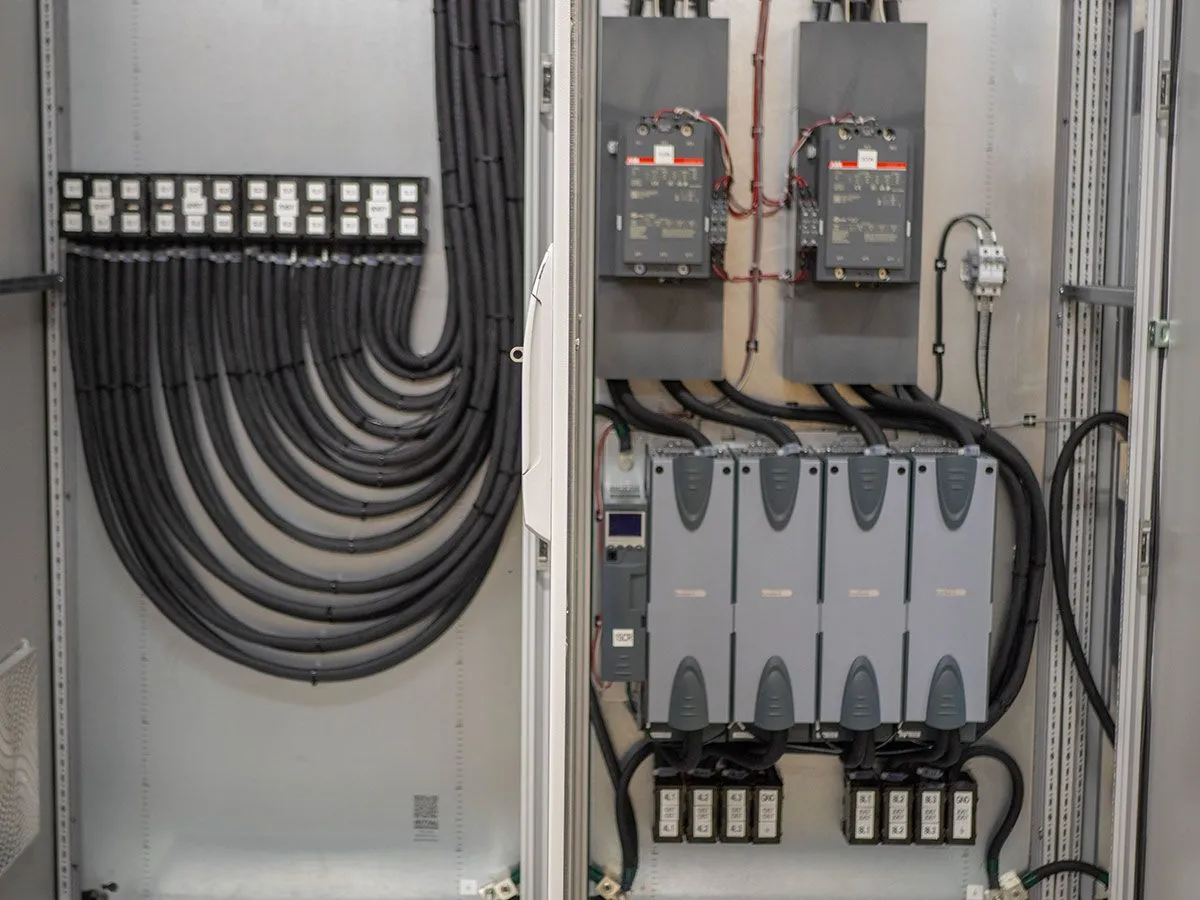 Why a Custom Control Panel?
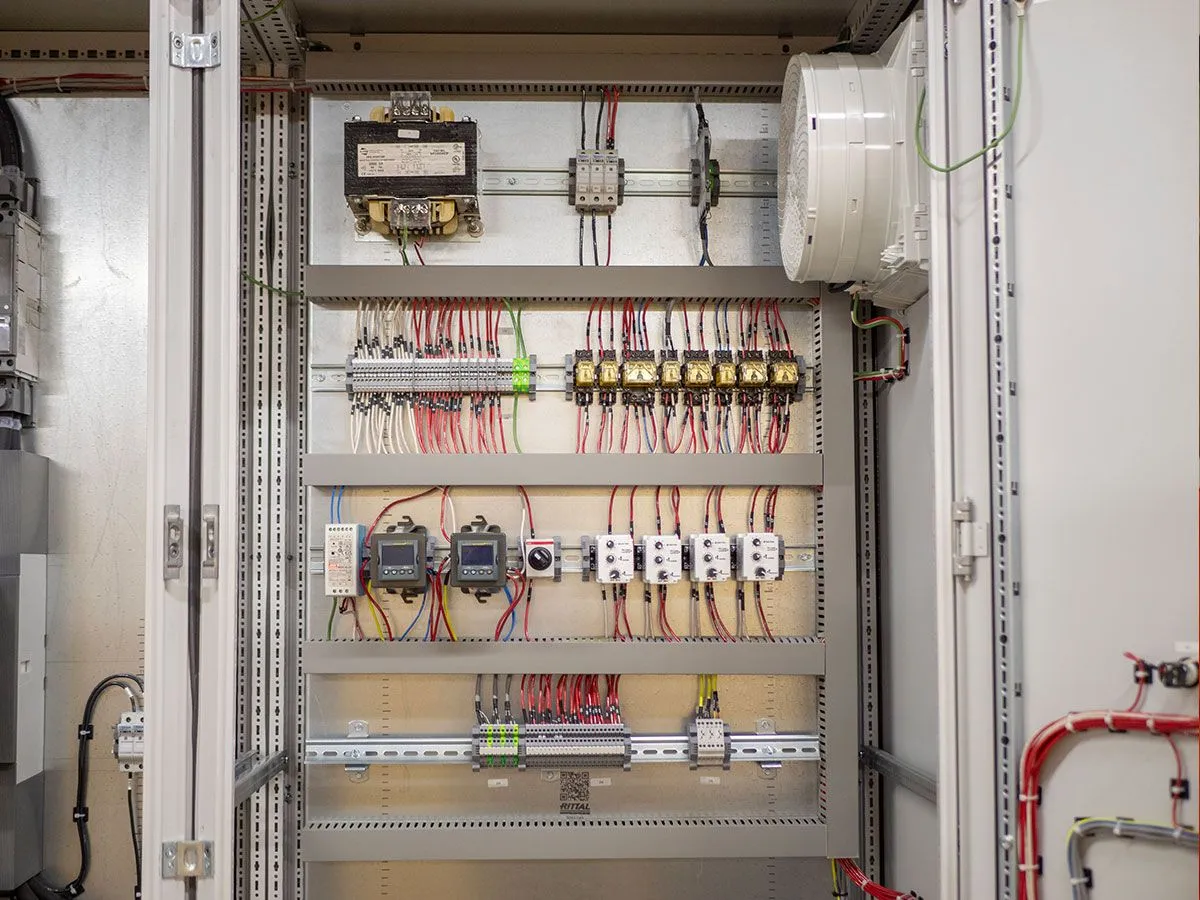 Industrial Control Panel Protocols
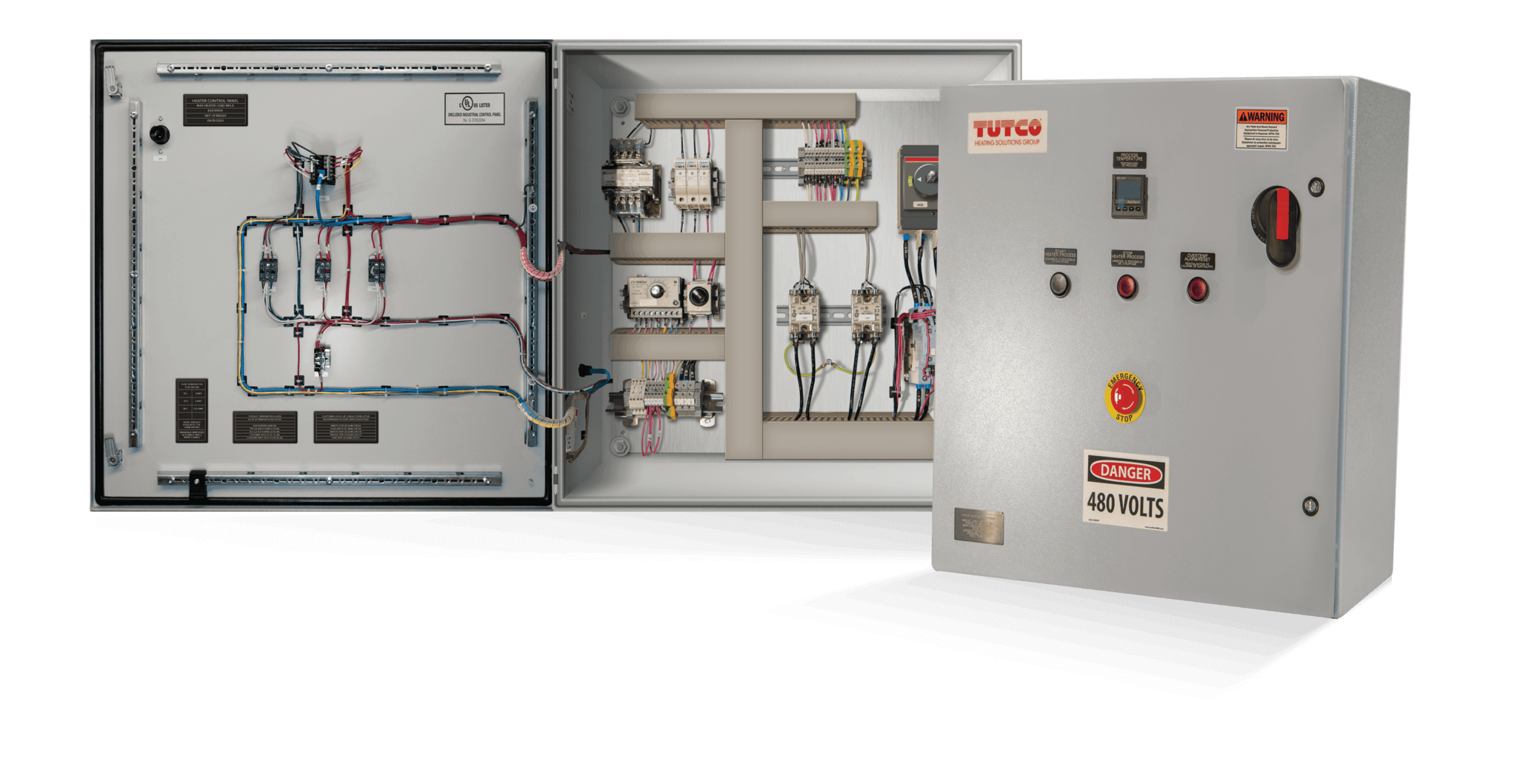 Industrial Control Panels - UL 508-A