
Battery Energy Storage Systems (BESS) Temperature Conditioning
Precision Thermal Management for Performance, Safety, and Longevity
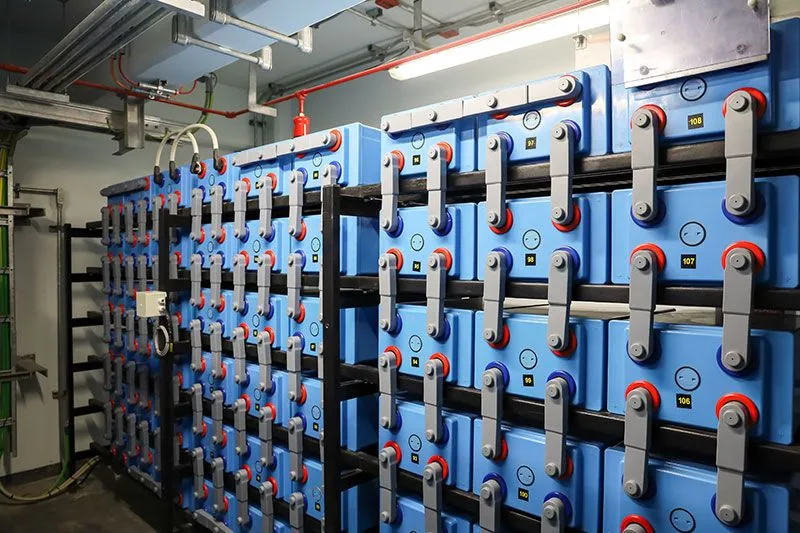
As the global transition toward renewable energy accelerates, Battery Energy Storage Systems (BESS) have become essential for stabilizing power grids, supporting microgrids, and enabling energy independence. At the core of these systems are lithium-ion battery banks—highly efficient, but also highly sensitive to temperature. Maintaining proper thermal conditions is not optional. It is critical to performance, lifespan, and safety.
Lithium-ion batteries operate within a narrow optimal temperature range—typically between 15°C and 35°C (59°F to 95°F)—where efficiency, capacity, and longevity are maximized.
Outside of this range, batteries experience:
- Reduced efficiency and energy output
- Accelerated degradation and shortened lifespan
- Increased risk of thermal imbalance or failure
In extreme cases, uncontrolled heat buildup can lead to thermal runaway, a cascading failure that can damage systems and create safety risks. At the same time, BESS installations are often deployed outdoors, exposing them to wide temperature swings, humidity, dust, and harsh environmental conditions. This combination of sensitivity and exposure makes precision temperature conditioning essential.
The Role of Thermal Management in BESS
Battery thermal management systems (BTMS) are designed to maintain batteries within their optimal operating range during both charging and discharging cycles. Effective thermal management:
- Stabilizes battery chemistry for consistent performance
- Extends system lifespan
- Prevents hot spots and uneven cell temperatures
- Improves safety and reliability
Even small temperature variations within a battery module can negatively impact performance, which is why uniform heating and temperature distribution are just as important as cooling. In cold environments, heating becomes especially critical. Low temperatures reduce ion mobility, decreasing battery efficiency and available capacity.
Why Electric Surface Heating Matters
While much of the industry focuses on cooling, controlled heating is equally important, particularly in:
- Cold climates
- Outdoor installations
- Standby or low-load conditions
- Startup and preconditioning cycles
Electric surface heaters provide a reliable way to maintain batteries within their optimal temperature range without introducing combustion or contamination.
Applications
TUTCO Farnam heating solutions support a wide range of battery energy storage applications:
Grid-Scale Energy Storage
Utility-scale BESS installations require consistent thermal control to ensure reliability across large battery arrays and varying environmental conditions.
Renewable Energy Systems
Solar and wind energy storage systems depend on stable battery performance to balance intermittent energy generation.
Uninterruptible Power Supply (UPS) Systems
Critical backup power systems rely on properly conditioned batteries to ensure immediate, reliable response during outages.
EV Charging Infrastructure
Battery systems supporting EV charging stations must maintain optimal temperatures for efficient energy delivery and long-term reliability.
Microgrids & Remote Power Systems
Off-grid and remote installations require robust thermal management to operate in extreme climates.
TUTCO Farnam Solutions for BESS Temperature Conditioning
TUTCO Farnam offers a range of flexible surface heating technologies designed specifically for battery thermal management:
Polyimide Heaters
Thin, lightweight, and highly responsive, polyimide heaters are ideal for applications requiring tight tolerances and uniform heat distribution. Their low profile allows them to be integrated directly onto battery cells or modules.
Silicone Rubber Heaters
Durable and flexible, silicone heaters are well-suited for harsh environments and irregular surfaces. They provide consistent heat across large areas and can withstand vibration, moisture, and temperature cycling.
Mica Heaters
Mica heaters offer robust performance in higher-temperature environments and applications requiring rigid, structured heating solutions.
Key Features & Benefits
Uniform Temperature Distribution
Maintains consistent temperatures across battery modules, reducing thermal gradients and improving performance.
Rapid Response Heating
Quickly brings batteries into optimal operating range, minimizing downtime and improving system readiness.
Flexible Design for Complex Geometries
Conforms to battery packs, modules, and enclosures with irregular shapes.
Reliable Operation in Harsh Environments
Designed for outdoor installations exposed to temperature extremes, moisture, and contaminants.
Energy Efficient Thermal Conditioning
Delivers heat precisely where needed, reducing wasted energy and improving system efficiency.
Seamless Integration
Easily integrates with battery management systems (BMS) and control panels for closed-loop temperature control.
Design Considerations for Electrification
Effective battery heating solutions must account for:
TUTCO Farnam engineers work closely with OEMs to design solutions that balance these factors for optimal system performance.
Why TUTCO Farnam?
Proven Expertise in Electric Heating
Decades of experience in designing and manufacturing electric heating solutions for industrial applications.
Application-Driven Engineering
Custom solutions tailored to specific processes, ensuring optimal performance and efficiency.
Direct Replacement Capabilities
Our polyimide, silicone, and mica heaters are trusted across industries for their reliability and performance.
Scalable Manufacturing
From prototype to full-scale deployment, TUTCO Farnam supports projects at every stage.
Commitment to Sustainability
Helping customers achieve decarbonization goals through innovative electric heating technologies.
Get Started with Battery Thermal Management Solutions
Share your application details and discover how TUTCO Farnam’s flexible heating technologies can optimize battery performance, improve reliability, and extend system life. Contact our engineering team today to develop a custom thermal solution built for precision, durability, and mission-critical performance.
